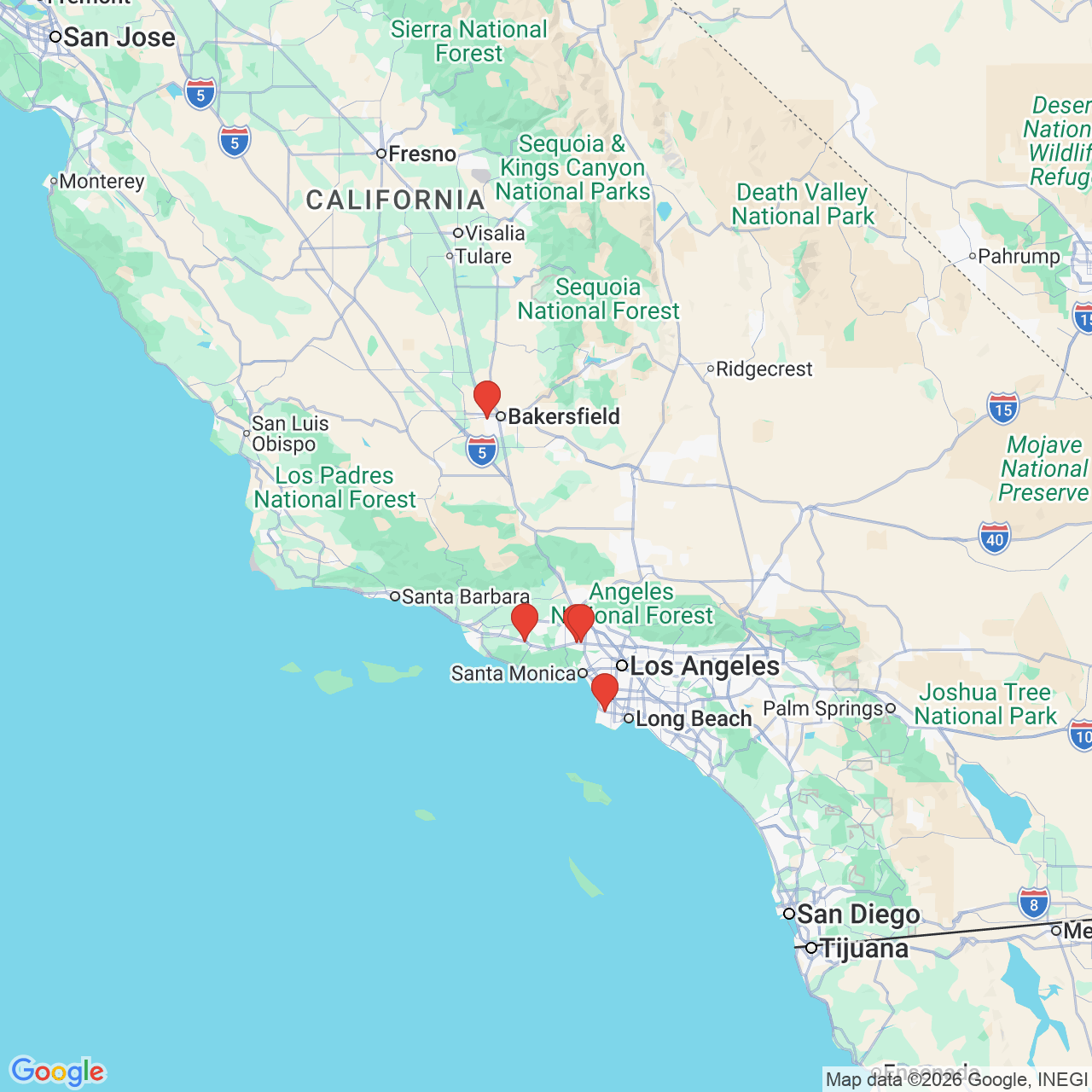
In vitro fertilization is a trusted method of assisted reproductive technology. However, it is a medical procedure, and all medical procedures carry some risks. One such risk during IVF is ovarian hyperstimulation syndrome. While the risk is low, we feel it is important for patients to understand any potential risk and make an educated and informed decision regarding their fertility. Explore what ovarian hyperstimulation syndrome is, the symptoms, and how we can minimize the risk during your treatment at the Center for Fertility and Gynecology serving the Los Angeles area, with offices in Tarzana, Thousand Oaks, Torrance, and Bakersfield, CA.
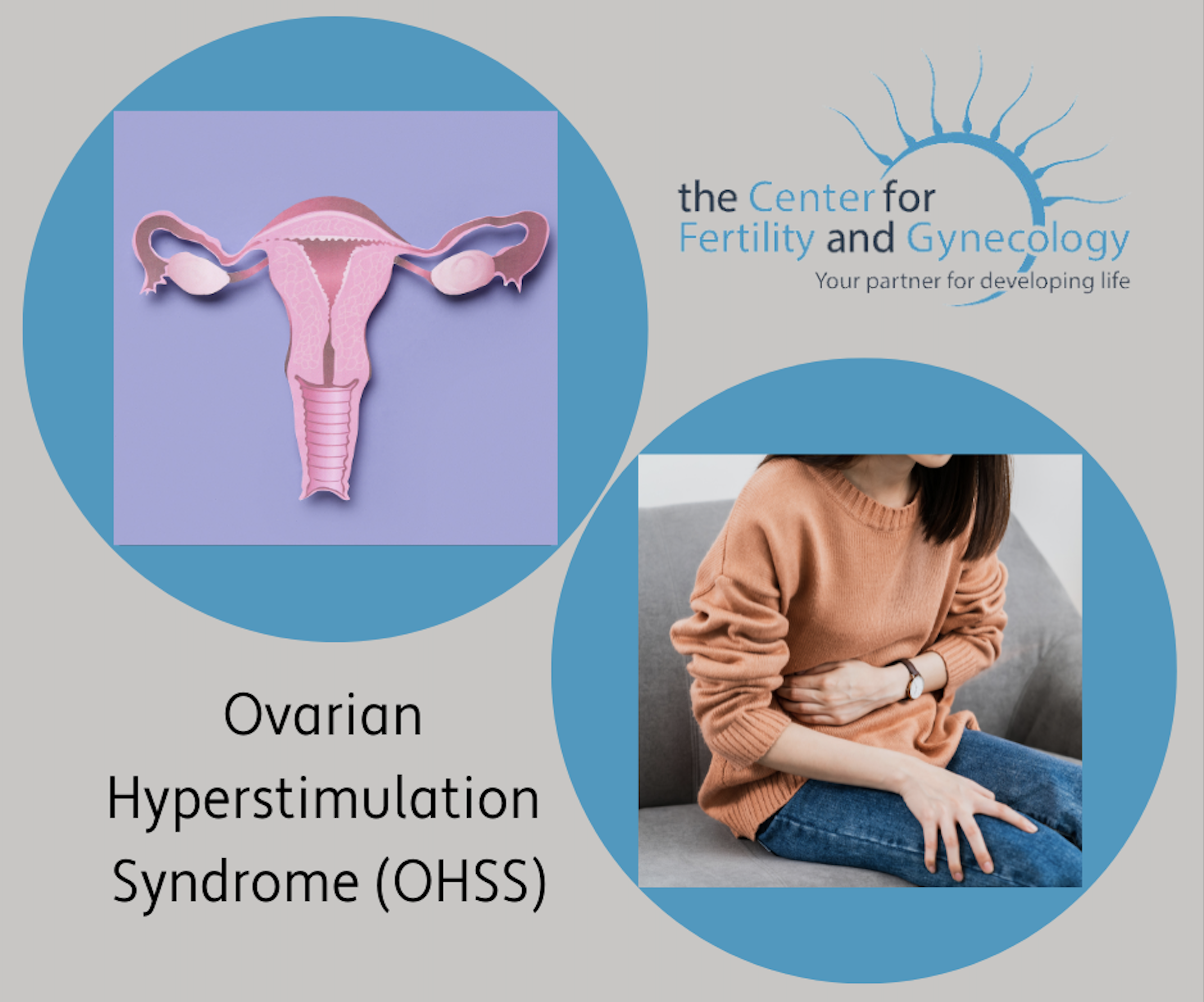
Ovarian hyperstimulation syndrome, or OHSS, occurs due to the overresponse to certain medications taken to stimulate the ovaries during an IVF cycle. This exaggerated response to the hormones and medications causes the ovaries to swell, causing pain. OHSS most often occurs with injectable medications and hormones, but it can occur spontaneously and with oral medications as well. While ovarian hyperstimulation syndrome is not completely understood, it is believed that high levels of human chorionic gonadotropin (HCG) are a factor. High levels of HCG can cause blood vessels to leak fluid in the abdomen and cause the ovaries to swell. OHSS most commonly occurs during IVF following the trigger shot, which uses HCG to trigger ovulation. However, it can occur at any time during an IVF cycle.
In mild cases of OHSS, patients may experience symptoms such as:
In more severe cases of ovarian hyperstimulation syndrome, symptoms may include:
If you experience any of these symptoms, it is best to discuss them with your doctor. Seek help right away if you have any trouble bleeding or develop persistent pain.
The risk of developing ovarian hyperstimulation syndrome is small. During an IVF cycle, your risk of OHSS is about 1-5%.
Certain factors can increase your chances of developing ovarian hyperstimulation syndrome. Patients may be at an increased risk if they:
While the risk is low, there is no way to guarantee you will not develop ovarian hyperstimulation syndrome during your IVF cycle. However, our skilled fertility doctors tailor every IVF cycle to help minimize your risks. We can do this by monitoring and adjusting your medications so you only receive what you need to give you the best shot at success, adding medications such as aspirin to your protocol when needed, using alternative medications for triggering ovulation, and freezing embryos to reduce the need for egg retrieval should a cycle fail.
We understand the world of fertility treatments can be overwhelming. We want every patient to make an informed decision regarding treatment, and understanding the risk is very important. If you have questions about ovarian hyperstimulation syndrome and your risk during IVF, contact our practice to schedule a consultation with our fertility experts, Dr. Michael Vermesh or Dr. Tannaz Toloubeydokhti. We have offices in Los Angeles, Tarzana, Thousand Oaks, Torrance, and Bakersfield, CA, to best serve you. Contact us today to get started.
Locations
We have 5 locations the greater Los Angeles area
“Dr. Vermesh is a wonderful doctor... Every appointment, we felt valued and heard. Dr. Vermesh was prompt, prepared, and very focused on our case. My wife is currently 4 months pregnant after a successful transfer, and we’re so grateful for the high-quality, personalized care we received.” – Khari, 5-Star Review
“Wow, let me start by expressing my gratitude to Dr. Tolou and her team for their exceptional support throughout my journey. From scheduling, medication, to travel arrangements, they were amazing. I feel incredibly blessed... Keep Being Awesome Team.” – Juana, 5-Star Review