
At our Los Angeles based fertility center, we are fortunate to enjoy very high pregnancy rates with our IVF and IUI programs. Unfortunately, not every pregnancy progresses to live birth. Miscarriage, or spontaneous abortion (SAB), occurs in 15-30% of all pregnancies. At the Center for Fertility and gynecology, we treat miscarriage with compassion, respect and empathy.
There are several ways in which a miscarriage may occur. Some patients experience cramping and bleeding followed by the natural passage of the pregnancy. In this situation, the process usually resolves itself completely without any medical intervention. Patients will usually visit their doctor during or shortly after the bleeding and find that nothing else needs to be done. While the emotional toll from this experience is significant, physically, most patients recover quickly.
In some other patients, miscarriage presents itself more subtly. For example, at the time of an early ultrasound, one may discover that their pregnancy is not viable. An “empty sac” (otherwise known as an anembryonic gestation) or a pregnancy without a heart-beat (otherwise known as an intrauterine fetal demise, IUFD) are 2 types of miscarriage which can present without bleeding. The general term used to describe this situation is “missed abortion”.
A missed abortion does require some decision making on the patient’s part. There are 3 different management paths from which to choose;
1. D and C; Dilatation and curettage is the process of dilating the cervix and then removing the contents of the uterus. This is usually accomplished by placing a thin plastic tube through the dilated cervix and into the uterus. Suction is applied through the tube and the uterine contents are then evacuated. Following the suction, a metal curette is then used to “feel” the inside of the uterus and determine if all the contents have been removed. A D and C usually takes 10 to 25 minutes to complete and is considered a safe and “minor” surgical procedure.
2. Medical management; Medical management includes the use of medication to induce uterine contractions which expel the contents of the uterus. After taking the pills, most patients experience cramping and bleeding with passage of tissue within 24-48 hours. Some patients prefer this method in order to avoid surgery.
3. Expectant management; This option simply involves waiting for nature to take its course. Most patients experience natural passage within 7-10 days of discovery of IUFD. For patients that want to avoid any intervention, expectant management is a reasonable alternative. If spontaneous passage does not occur within the expected time frame, many doctors will recommend moving on to either D and C or medical management.
At the Center for Fertility and Gynecology, we know how devastating pregnancy loss can be. Our experts are here to help you through every step and offer you the most up to date treatment options. If you have questions about pregnancy loss or any other reproductive issues feel free to contact us, were happy to speak with you.
Locations
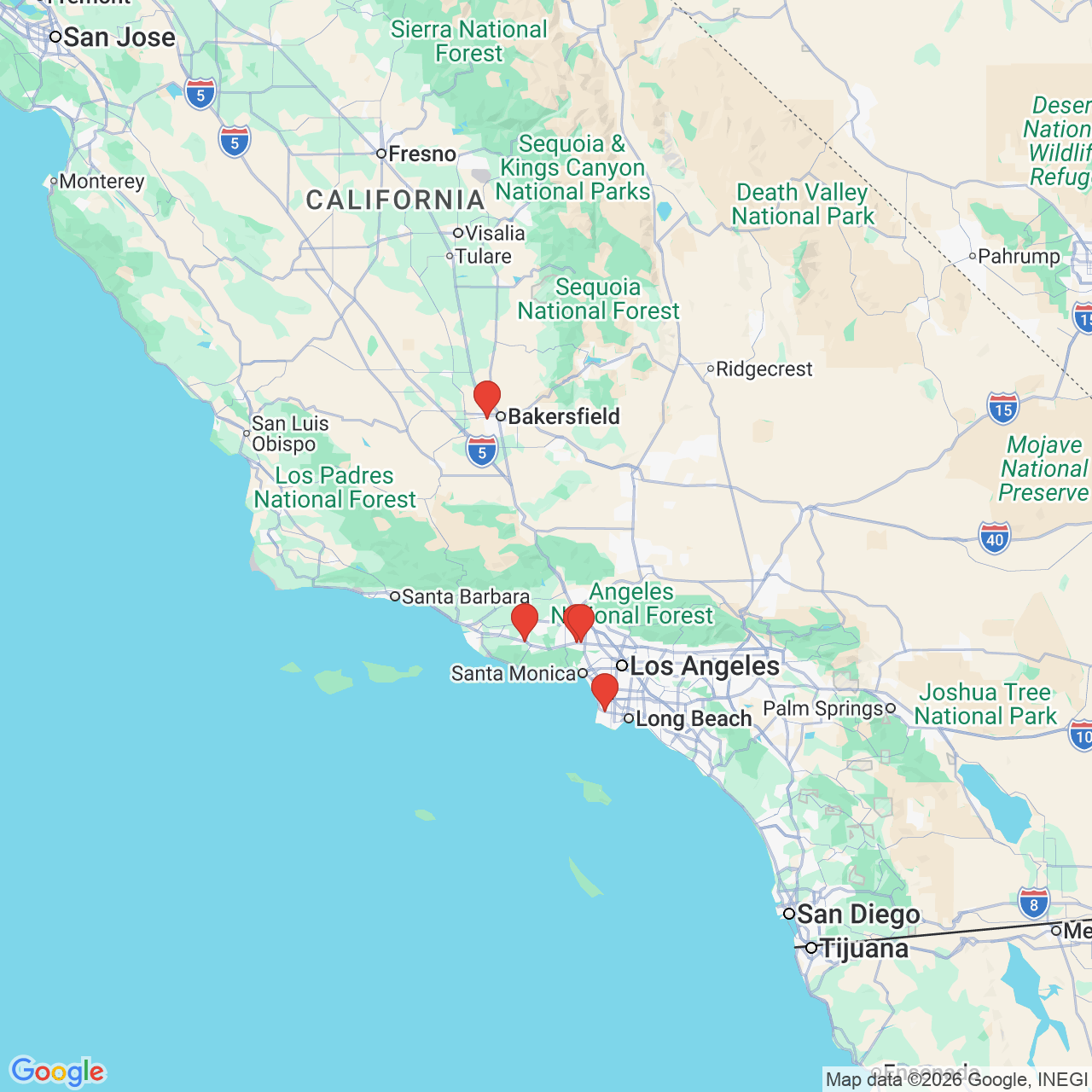
We have 5 locations the greater Los Angeles area
“Dr. Vermesh is a wonderful doctor... Every appointment, we felt valued and heard. Dr. Vermesh was prompt, prepared, and very focused on our case. My wife is currently 4 months pregnant after a successful transfer, and we’re so grateful for the high-quality, personalized care we received.” – Khari, 5-Star Review
“Wow, let me start by expressing my gratitude to Dr. Tolou and her team for their exceptional support throughout my journey. From scheduling, medication, to travel arrangements, they were amazing. I feel incredibly blessed... Keep Being Awesome Team.” – Juana, 5-Star Review