 Endometriosis is a common and often painful disorder affecting women in which the endometrium grows outside of the uterus. It is estimated that between 20 to 50 percent of women being treated for infertility have endometriosis, and as many as 80 percent of women with pelvic pain have the disorder. It is common for women to be diagnosed with endometriosis between the ages of 25 to 35, but women can be affected by endometriosis as soon as they begin to menstruate. For the majority of women, endometriosis involves the ovaries, bowels, and the tissue lining the pelvis. Though rare, endometrial tissue may spread beyond the pelvic region.
In endometriosis, displaced endometrial tissue breaks down and bleeds with each menstrual cycle. This displaced tissue becomes trapped in the body. Tissues surrounding this displaced endometrial tissue become irritated and, over time, may start to develop scar tissue and adhesions. Sadly, endometriosis is a leading cause of female factor infertility.
Not every woman who has endometriosis will experience symptoms. While this is true, many of our Los Angeles fertility center patients with endometriosis suffer from symptoms. Common symptoms of endometriosis include:
The cause of endometriosis is unknown. One theory is retrograde menstruation. In retrograde menstruation, endometrial cells carried by menstrual blood flow back through the fallopian tubes and pelvic cavity instead of exiting the body. These endometrial cells then adhere to the pelvic walls and surrounding organs. The displaced endometrial cells continue to grow, thicken, and bleed during the course of the menstrual cycle. While retrograde menstruation may contribute to endometriosis, it is not the sole cause. Although women with retrograde menstruation may develop endometriosis as a result of the condition, it is possible for women with retrograde menstruation to never develop endometriosis. Like endometriosis, the cause of retrograde menstruation is unknown.
Because the cause of endometriosis is unknown, there is no way to prevent the disorder. There are factors that place women at a greater risk of developing endometriosis. These risk factors include:
The most distressing and common symptom of endometriosis is infertility. While endometriosis can make it difficult for a woman to become pregnant, there are effective treatments to minimize the symptoms of the disorder as well as achieve pregnancy. For our patients in Los Angeles, endometriosis treatment may include surgery to remove scarring and adhesions. This is usually done laparoscopically. Because there is a high rate of recurrence, we recommend that our patients do not delay fertility treatment after surgery. It is estimated that 40 percent of women will have a recurrence of endometriosis at some point following surgery. Many patients with endometriosis choose in vitro fertilization (IVF) to help make their dreams of parenthood a reality. Our Los Angeles IVF specialist will be happy to discuss all of the treatment options available in great detail during your personalized consultation.
To learn more about symptoms, causes, and treatment of endometriosis, please contact the Center for Fertility and Gynecology today.
Locations
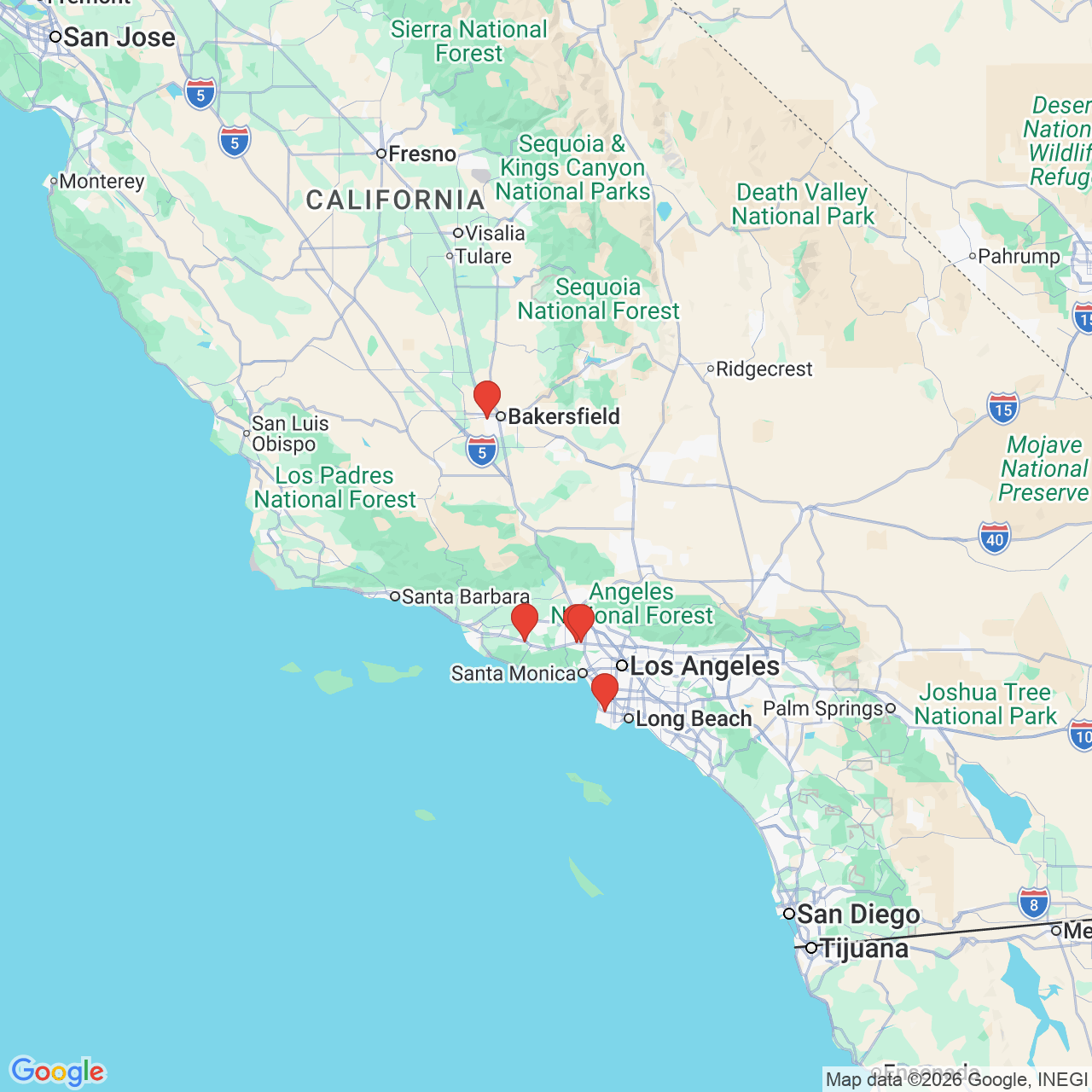
We have 5 locations the greater Los Angeles area
“Dr. Vermesh is a wonderful doctor... Every appointment, we felt valued and heard. Dr. Vermesh was prompt, prepared, and very focused on our case. My wife is currently 4 months pregnant after a successful transfer, and we’re so grateful for the high-quality, personalized care we received.” – Khari, 5-Star Review
“Wow, let me start by expressing my gratitude to Dr. Tolou and her team for their exceptional support throughout my journey. From scheduling, medication, to travel arrangements, they were amazing. I feel incredibly blessed... Keep Being Awesome Team.” – Juana, 5-Star Review